Bitcoin & Crypto Price Prediction: US-Iran Conflict and Midterm Elections 2026
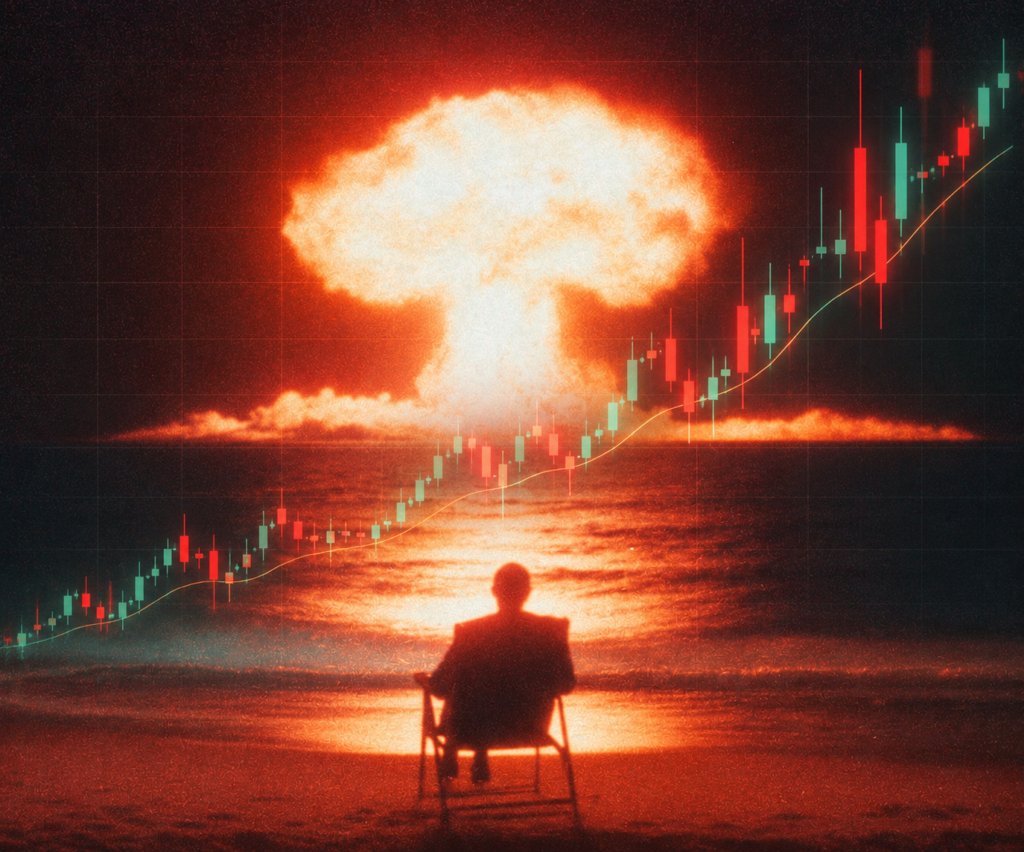
Iran–US tensions escalated into limited strikes. On November 2–3, the US carried out defensive strikes on Iranian targets near the Strait of Hormuz, including Iran’s Qeshm Island, according to multiple US officials cited by the Wall Street Journal and CBS News. This follows an eight-month conflict that began with joint US-Israeli strikes on February 28.
Iran signals openness to de-escalation. Iran’s delegation left negotiations in Qatar after a tense weekend (AP), but Tehran says it could reopen the Strait of Hormuz within 48 hours if the US lifts its naval blockade and sanctions. Trump has publicly said “Iran wants a settlement, as soon as possible.”
Netanyahu is pressing for a post-midterm strike, according to Axios and CBS sourcing, while Trump has said he prefers to let negotiations play out and promised not to resume full-scale strikes before the midterms.
Slots to try on Wolfbet Casino


US midterm elections took place November 3. All 435 House seats and roughly a third of the Senate were up for grabs — the outcome will shape both domestic crypto policy and the administration’s calculus on Iran.
Crypto sentiment entered extreme fear. The Fear & Greed Index has printed consecutive lower lows heading into November, with total market cap declining alongside the broader risk-off mood tied to election uncertainty and geopolitical risk.
Historical Pattern: Bitcoin Around Past Midterms
Bitcoin has a notable track record around the last three US midterm elections (2014, 2018, 2022): a sharp pre-election drawdown, followed by a strong recovery in the 12 months that followed.
- 2014: -56% drawdown → +24.5% in the following 12 months
- 2018: -73% drawdown → +44.9% in the following 12 months
- 2022: -64% drawdown → +92.3% in the following 12 months
(Figures per Binance Research / Cryptoast analysis; different analysts report somewhat different numbers depending on methodology, but the “fall-then-recover” shape is consistent across sources.)
The pattern has repeated three times in a row — a notable signal, though too small a sample to treat as guaranteed.
Upcoming Events That Could Move the Market
| Event | Date | Why it matters |
|---|---|---|
| Post-midterm Iran decision | Early-mid November | Netanyahu is lobbying for a strike window now that elections are over; Trump has signaled a preference for a deal first |
| FOMC minutes release | November 19 | Markets will parse for hawkish/dovish signals after a split panel at the last meeting |
| Qatar-mediated Iran talks | Ongoing | Could produce a ceasefire/deal (Strait of Hormuz reopening) or collapse into renewed strikes |
| Deribit monthly options expiry | End of November | Large notional BTC/ETH options expiries historically increase short-term volatility |
| Crypto ETF-related deadlines | November/December | Regulatory deadlines that could affect institutional flows |
Scenarios
Scenario 1 — De-escalation holds. Qatar-mediated talks succeed, the Strait of Hormuz reopens, and the US lifts the blockade. Oil prices ease, risk sentiment improves, and crypto could see a relief rally consistent with the historical post-midterm recovery pattern.
Scenario 2 — Limited strikes continue, no full escalation. The current pattern of “defensive” tit-for-tat strikes persists without a full resumption of major combat operations. Markets likely stay choppy and headline-driven, with sentiment oscillating in Fear territory without a decisive breakdown or breakout.
Scenario 3 — Full-scale resumption of strikes. A broader joint operation against Iranian energy infrastructure and nuclear sites begins post-midterms, as previously reported plans describe. This would likely trigger a sharp risk-off move across crypto correlated with equities, a spike in oil prices, and capital flight from altcoins into BTC/stablecoins.
Bottom Line
The calendar right now is unusually dense: overlapping Iran negotiations, a just-concluded US election, and a major FOMC minutes release all landing within about two weeks of each other. Historically, Bitcoin has fallen hard before midterms and recovered strongly after — three times in a row. But near-term direction likely hinges more on how the Iran situation resolves than on the election outcome itself, given crypto’s current correlation with oil-driven macro sentiment and broader risk assets.
About the author
Marcus Reed
105 articlesTrending

Ultimate DEX Showdown: Uniswap vs SushiSwap [2021 Version]
5 Lions Megaways slot Review [Pragmatic Play]

What Is a Bitcoin Faucet Anyway? Here’s The Answer! [Guide]

Cascading Reels: The Slot Mechanic That Keeps Wins Rolling