How to Stop Gambling: A Practical Plan
Updated: 28 October 2026
Deciding to stop gambling is often the hardest part. The second hardest is staying stopped, because the urge to play comes back in waves, usually when you are stressed, bored, tired or have just lost money. This guide gives you a plan you can start today, whether you want to stop completely or cut back first.
You do not have to get everything right at once. A plan that you follow for two weeks is worth more than a perfect plan you never start.
Step 1: Decide what “stop” means for you
Choose one of two goals and write it down:
- Stop completely. You do not gamble at all, on Wolfbet or anywhere else, for a set period or indefinitely.
- Cut back to a limit you set. You gamble only within a budget and time limit, and you check that limit before each session.
Cutting back can work for some people. If you have already tried to cut back and kept going over the limit, stopping completely is usually the more reliable goal. Choose the one you can keep to.
Step 2: Remove the easiest access
Willpower is weakest when the game is one click away. Make it harder to start:
- Ask for a temporary account exclusion. Email support@wolfbet.com with the subject line “Responsible Gambling Support” and request a break from 24 hours up to 6 months. While it runs, your account is not accessible and deposits and withdrawals are blocked.
- Ask for limits. If you do not want a full break, ask support to set deposit, loss and time limits.
- Remove saved payment details. Delete saved cards and wallet addresses from your browser, phone and any payment apps you use for gambling.
- Use blocking software. Free tools such as BetBlocker can block gambling websites on your devices.
- Sign out and delete the apps from your phone and tablet.
If you want to close your account for good, the responsible gambling hub explains the 24-hour waiting period before a closure becomes final.
Step 3: Map your triggers
Triggers are the situations, feelings and times that make you want to play. Write down the last five times you gambled and what happened just before each one. You will probably notice patterns:
- Times: late at night, payday, after work, during a match or event.
- Feelings: boredom, loneliness, stress, anger, guilt, or a sense of “I deserve a win”.
- Situations: arguments at home, money worries, drinking, being alone.
- Money: a recent loss, a bonus that felt like a second chance, or a balance that suddenly grew.
Once you know your triggers, you can plan around them. If payday is a trigger, arrange for the money to go straight to bills before you get paid. If late nights are a trigger, set your phone to switch off at a fixed time.
Step 4: Replace the habit
Gambling often fills a gap. It gives you a rush, a sense of anticipation or a way to escape. Replacing it means finding something that meets the same need.
- For the rush: exercise, a sport, a hobby with a clear outcome, or a competitive game with no money attached.
- For boredom: a list of things to do when you feel the urge, kept on your phone.
- For stress: a walk, a shower, breathing exercises, or a call to someone you trust.
- For loneliness: a planned call, a meeting or a group activity at a set time each week.
Choose two or three replacements and write them next to your trigger list. The replacement should be ready before the urge arrives.
Step 5: Build your support around you
Stopping alone is possible, but it is harder. Support helps you stick to the plan.
- Tell one person you trust. You do not need to share every detail. Say what you are doing and how they can help, such as by checking in or not offering you money.
- Ask them to hold you to your plan. Give them permission to ask how you are doing.
- Join a group. Gamblers Anonymous holds support meetings, and many people find them useful. Gam-Anon offers support to family and friends.
- Talk to a helpline. GamCare’s National Gambling Helpline in the UK is open 24 hours a day on 0808 8020 133. Gambling Therapy offers free online support at gamblingtherapy.org.
For a complete list, read gambling addiction help: hotlines, treatment and support for families.
Step 6: Plan for a slip
Many people have a slip while they are stopping. A slip is not the end of your plan. It is information about what you need to change.
If you gamble after you have stopped:
- Stop the session immediately. Do not try to win back what you have lost.
- Tell someone within 24 hours. Shame keeps people quiet, and quiet makes the next slip more likely.
- Look back at your triggers. What happened just before the slip? Update your plan to cover it.
- Strengthen the barrier. Extend the exclusion, lower your limits or ask for a longer break.
- Get help if the slip is part of a pattern. More than one slip in a short time is a reason to talk to a professional.
Step 7: Know when to get professional help
Some people can stop with self-help and support groups. Others need professional treatment. Consider getting help from a doctor, psychologist or therapist if:
- you have tried to stop several times and kept going back,
- gambling is affecting your mental health, sleep or physical health,
- you are using gambling to cope with depression, anxiety or trauma,
- you have debts, legal problems or relationship breakdown linked to gambling.
Cognitive behavioural therapy is one of the approaches used to treat gambling problems, and your doctor can refer you to treatment. Ask your local health service what is available, or use the helplines in the guide to getting help.
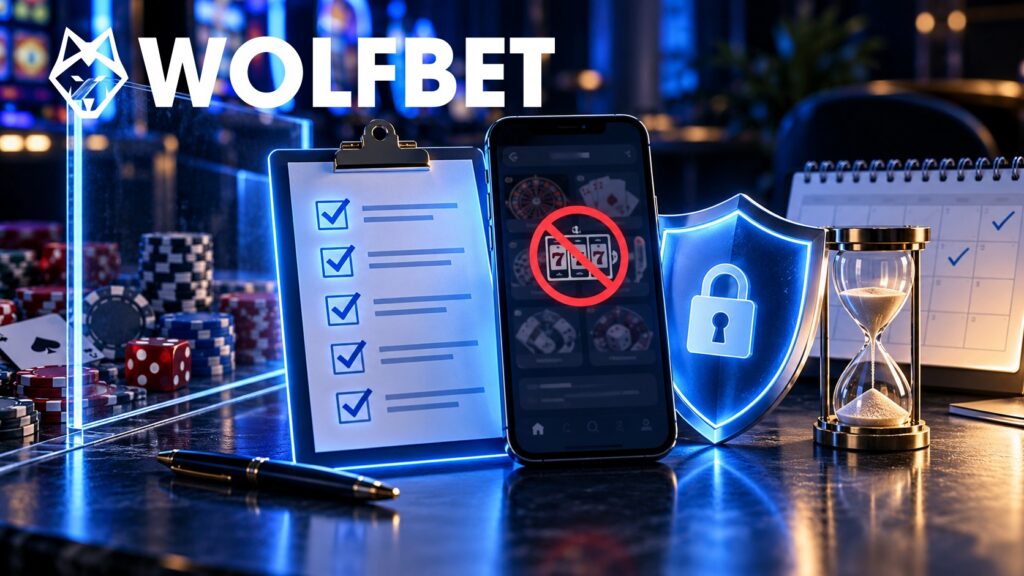
A simple checklist to start today
- I have chosen my goal: stop completely, or cut back to a limit.
- I have asked support for a temporary exclusion or limits.
- I have removed saved payment details and installed blocking software if I need it.
- I have written down my top three triggers.
- I have two replacement activities ready.
- I have told one person I trust.
- I have saved a helpline number in my phone.
Next steps
- If you are not sure whether gambling is a problem for you, take the self-check on the signs of gambling addiction.
- If you want to set a budget you can keep, read how much money can you afford to spend on casino entertainment?
- If you gamble with cryptocurrency, read crypto gambling: tracking your real losses when prices move.
Gambling involves financial risk. Only play with money you can afford to lose. 18+.
About the author
Marcus Reed
96 articlesTrending
Elvis Frog Trueways slot Review [BGaming]

Irish Poker Rules
100 Joker Staxx – Casino Slot Review
Baccarat Bankroll Management