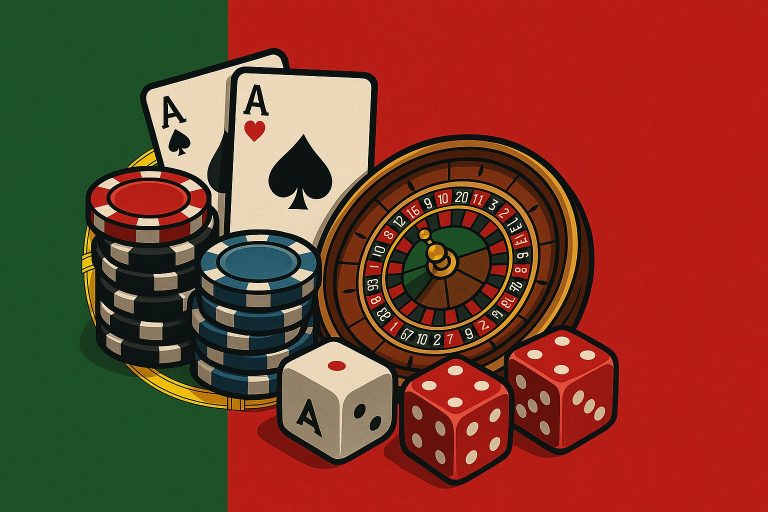
Blackjack Basics for Beginners [GUIDE]
![Blackjack Basics for Beginners [GUIDE]](https://wolfbet.com/blog/wp-content/uploads/2025/01/blackjack-beginners-1024x585.webp)
Updated 1 July 2026 by Marcus Reed
To get started with blackjack, remember that your goal is to beat the dealer by having a hand value closer to 21 without going bust. You’ll play against the dealer, using a combination of your two initial cards and strategic choices like hitting or standing. Familiarize yourself with card values: numbered cards hold their face value, face cards are worth 10, and aces can be 1 or 11. Betting amounts matter too, as you’ll want to stay within the table’s limits. Keep an eye on the dealer’s upcard and adjust your strategy accordingly. This guide walks you through every step, from sitting down at the table to using a basic strategy chart like a pro.
Understanding the Game Objective
In blackjack, your main objective is to beat the dealer by having a hand value closer to 21 without going over. This means you’ll need to understand the importance of your cards and how they add up. Each card holds a specific value: numbered cards are worth their face value, face cards (kings, queens, and jacks) are worth 10, and aces can be worth either 1 or 11, depending on which is more beneficial for your hand.
To achieve your game objective, you’ll want to keep a close eye on the dealer’s upcard. If they show a low card, you might feel more confident to take risks and aim for a higher total. On the other hand, if the dealer shows a high card, you’ll need to play more conservatively to avoid busting.
Winning the hand isn’t just about reaching 21; it’s about making smart decisions based on the cards you and the dealer hold. By managing your bets and understanding when to hit, stand, or double down, you’ll improve your chances of beating the dealer and ultimately enjoying the thrill of the game.
Basic Rules of Blackjack
Knowing the game objective sets the stage for understanding the basic rules of blackjack. You’ll typically play against the dealer, aiming to reach a hand value as close to 21 as possible without exceeding it. Each player starts with two cards, and you can choose to hit (take another card) or stand (keep your current hand). If your total goes over 21, you bust and lose the round.
The dealer also plays by specific rules, usually hitting until they reach at least 17. It’s essential to remember that blackjack isn’t just about luck; employing a basic blackjack strategy can substantially improve your odds. This involves knowing when to hit, stand, double down, or split pairs based on your hand and the dealer’s upcard.
While basic strategies provide a solid foundation, some players also explore card counting techniques to gain an edge. These techniques help gauge whether the remaining cards are favorable for the player or the dealer — we cover the fundamentals in the card counting section below. Stay focused, practice, and keep these rules in mind to enhance your gameplay and enjoyment of blackjack!
Card Values Explained
In blackjack, understanding card values is vital to your strategy. Number cards are worth their face value, while face cards — kings, queens, and jacks — are each worth ten. Aces are unique, as they can count as either one or eleven, depending on what benefits your hand the most.
Number Cards Value
Understanding the value of number cards is essential as you immerse yourself in the game of blackjack. Number cards, ranging from 2 to 10, hold their face value. For instance, if you draw a 5, it counts as five points. This straightforward system helps you quickly assess your hand’s strength and make informed decisions during play.
As you practice card counting techniques, keeping track of these values becomes even more pivotal. By monitoring the number cards that have been dealt, you can gain an advantage and adjust your betting strategy accordingly. Remember, knowing when to increase your bets can tilt the odds in your favor.
Additionally, familiarize yourself with hand signal meanings. In blackjack, players often use specific gestures to communicate their intentions without verbalizing them. For example, tapping the table typically means you want to hit, while waving your hand can indicate that you’re satisfied with your hand and wish to stand. Mastering these signals, alongside understanding number card values, will enhance your gameplay and confidence at the table.
Face Cards and Aces: What Are They Worth?
Face cards and aces play a crucial role in blackjack, greatly impacting your hand’s value. Understanding how these cards work is essential for making strategic decisions.
- Face card value in blackjack: jacks, queens, and kings are each worth 10 points — regardless of suit.
- Ace value in blackjack: an ace is worth 1 or 11 points, whichever benefits your hand the most (this is called a “soft” hand when it’s counted as 11).
- Aces can change your strategy: depending on your other cards, an ace might allow you to reach a total of 21 or push your hand into a favorable position.
- Face cards simplify calculations: since they all equal 10, they help you quickly assess your hand values and make informed decisions.
- Combining aces with face cards is powerful: a hand consisting of an ace and any face or 10-value card gives you a blackjack, the best possible hand.
- Know your limits: while face cards and aces can create strong hands, be cautious of going over 21.
How to Join a Table (Step by Step)
Before you can put any of this into practice, you need to know how to actually sit down and start playing. Here’s the process, whether you’re at a physical casino or an online table:
- Choose a table. Every blackjack table displays its minimum and maximum bet on a small sign or, online, directly on the table lobby screen. Pick a table whose minimum bet comfortably fits your bankroll.
- Wait for an open seat. Physical tables typically seat 5–7 players. If all seats are full, you can usually ask to be added to the next hand or find an open spot at another table.
- Buy in. Place cash on the table felt (never hand it directly to the dealer) and ask for chips, or top up your balance if you’re playing online. At a crypto casino such as Wolfbet, this step is instant: deposit with Bitcoin, Ethereum, Litecoin, or another supported currency and your balance is ready to play with.
- Place your bet in the betting circle before the dealer says “no more bets” and the cards are dealt.
- Play your hand using the actions covered in the next sections, and let the dealer guide you through your first few rounds — most dealers are happy to help beginners.
How to Place Bets
Placing bets in blackjack is a straightforward process that can enhance your gaming experience. First, you’ll need to decide how much you want to wager. Most tables have a minimum and maximum bet limit, so make sure you choose a bet within those ranges. To size your bet, consider your bankroll and how much you’re willing to risk in each hand.
Once you’ve determined your bet amount, simply place your chips in the designated betting area. You can adjust your bet size for each round based on your strategy and the game’s progress. One popular approach is using betting progression strategies, where you increase your bets after a win and decrease them after a loss. This can help you manage your bankroll effectively while potentially increasing your winnings.
As you get comfortable with placing bets, pay attention to the game dynamics and other players’ betting patterns. This awareness can help you make more informed decisions about your own bets. Remember, the key is to enjoy the game while being strategic about your betting.
Player Actions and Strategies
In blackjack, a player’s decisions can profoundly impact the outcome of the game. The choices you make — whether to hit, stand, double down, or split — can mean the difference between a win and a loss. Understanding these player actions and implementing effective strategies is key to improving your game.
- Hit: take another card to try to get closer to 21.
- Stand: keep your current hand and take no more cards.
- Double down: double your bet in exchange for exactly one more card.
- Split: if your first two cards are a pair, split them into two separate hands, each with its own bet.
Always assess your current hand value and the dealer’s upcard before making a decision. If the dealer shows an ace, evaluate whether taking insurance is worth it based on your hand’s strength. While it’s not easy, learning to keep track of high and low cards can give you an advantage. Stick to your strategy and avoid emotional decisions that could lead to reckless betting.
Basic Strategy Chart (Cheat Sheet)
A basic strategy chart tells you the mathematically correct move — hit, stand, double, or split — for every combination of your hand and the dealer’s upcard. Casinos allow you to keep a physical copy at the table, and using one isn’t cheating; it’s the single biggest thing a beginner can do to reduce the house edge. Here’s a simplified version to get you started:
| Your Hand | Dealer Shows 2–6 | Dealer Shows 7–A |
|---|---|---|
| 8 or less | Hit | Hit |
| 9 | Double if possible, otherwise Hit | Hit |
| 10–11 | Double | Double if higher than dealer’s card, otherwise Hit |
| 12 | Stand on 4–6, Hit on 2–3 | Hit |
| 13–16 | Stand | Hit |
| 17 or more | Stand | Stand |
| Pair of Aces or 8s | Always Split | Always Split |
| Soft 13–18 (Ace + low card) | Double or Hit depending on total | Hit |
This chart covers the most common situations, but a full strategy chart accounts for every hand combination. Save or screenshot it, and keep it next to you until the correct plays become second nature.
Card Counting for Beginners
Card counting sounds intimidating, but the core idea is simple: it means keeping a rough mental tally of how many high cards (10s and aces) versus low cards (2–6) remain in the deck. A deck rich in high cards favors the player, since it increases the odds of the dealer busting and of you being dealt a natural blackjack.
The most common beginner-friendly system is the Hi-Lo count: low cards (2–6) add +1 to your running count, 7–9 count as 0, and high cards (10, face cards, aces) subtract 1. A positive count means more high cards are left in the deck — a good time to increase your bet size, if the rules of the venue allow it.
A few things worth knowing before you try it: card counting is not illegal, but many casinos reserve the right to ask a suspected counter to leave or stop playing blackjack. It’s also far less effective (and largely pointless) on games that shuffle after every hand, which is common in many online and live-dealer formats. As a beginner, focus on mastering the basic strategy chart first — it delivers the vast majority of the house-edge reduction with none of the complexity.
The Role of the Dealer
In blackjack, the dealer plays a vital role that goes beyond just dealing cards. They’re responsible for enforcing the house rules and ensuring fair play at the table. Understanding how the dealer interacts with players can enhance your overall gaming experience.
Dealer Responsibilities and Duties
The dealer’s responsibility starts with properly shuffling and dealing cards to players and themselves. They make certain that all bets are placed correctly before dealing and handle payouts when necessary. The dealer monitors the game to maintain order and ensure players follow the rules. A good dealer engages with players, creates a welcoming atmosphere, and answers questions when needed.
House Rules Enforcement
The dealer plays an essential role in enforcing house rules at the blackjack table, guaranteeing that every player adheres to the established guidelines. Their responsibilities go beyond just dealing cards; they also maintain the flow of the game and ensure fairness.
| Role | Action | Purpose |
|---|---|---|
| Rule Enforcement | Remind players of betting limits | Maintain a fair betting environment |
| Game Monitoring | Watch for cheating or collusion | Uphold integrity and trust |
| Communication | Explain rules and procedures | Ensure all players are informed |
Interaction With Players
At the blackjack table, interaction with players is a key part of the dealer’s role. A good dealer can make the game more enjoyable and engaging for everyone involved:
- Communication: a friendly dealer explains the rules clearly, so everyone understands the game.
- Encouragement: they acknowledge wins and stay supportive during losses.
- Pacing: the dealer sets the pace of the game, keeping it lively while respecting players’ decisions.
- Observing: good dealers keep an eye on table dynamics, adjusting their approach based on the mood of the players.
Common Blackjack Variations
There are several variations of blackjack that can enhance your gaming experience. Each version offers unique rules and strategies, making the game even more engaging.
| Variation | Key Features |
|---|---|
| Classic Blackjack | Standard rules, 21 is the winning goal. |
| Spanish 21 | Uses Spanish decks (no 10s); players can make additional plays. |
| Blackjack Switch | Players can switch cards between two hands. |
| Double Exposure Blackjack | Both dealer cards are face-up, but pushes on ties. |
| Progressive Blackjack | Features a progressive jackpot for players. |
Understanding these variations helps you apply different card counting techniques and insurance betting strategies effectively. For example, in Spanish 21 you need to adjust your counting approach due to the missing tens, while in Blackjack Switch, switching cards changes your preferred strategy. Familiarizing yourself with these variations not only adds excitement but also improves your overall gameplay.
Tips for Beginners
Exploring different variations of blackjack can be thrilling, but starting with the basics is key to becoming a successful player. To enhance your playing experience and increase your chances of winning, consider these essential tips:
- Set a budget: establish a bankroll management plan before you start playing. Decide how much you’re willing to lose and stick to it.
- Learn basic strategy: familiarize yourself with the basic strategy chart above. Knowing when to hit, stand, double down, or split can drastically improve your odds.
- Practice for free: use free-play blackjack tables to practice your skills without risking real money. This lets you gain confidence before playing with real funds.
- Stay calm and focused: keep your emotions in check. A clear mind helps you make better decisions and stick to your bankroll management plan.
Blackjack Etiquette and Table Manners
When you sit down at a blackjack table, understanding proper etiquette can enhance both your experience and that of your fellow players. First and foremost, greet the dealer and other players with a friendly nod or smile. This sets a positive tone.
Always keep your hands visible and avoid touching the cards with both hands — use one hand only. If you need to signal your decisions, do so clearly: a tap for hit, a wave for stand.
Managing your bankroll is vital. Set limits for yourself before you start playing and stick to them. If you’re winning, consider tipping the dealer as a way to show appreciation for their service. A good rule of thumb is to tip a small percentage of your winnings, or simply give a few chips during your session.
Frequently Asked Questions
What is a face card worth in blackjack?
A face card — jack, queen, or king — is worth 10 points in blackjack, regardless of its suit. There are 12 face cards in a standard 52-card deck, three of each rank.
Is an ace a face card in blackjack?
No, an ace is not a face card. Aces are their own category and can be worth either 1 or 11 points, whichever benefits your hand more. Face cards (jack, queen, king) are always worth 10.
Can I play blackjack for free before betting real money?
Yes. Most online casinos, including Wolfbet, offer free-play or demo blackjack tables where you can practice basic strategy and get comfortable with the flow of the game before wagering real funds or cryptocurrency.
What is a blackjack cheat sheet?
A blackjack cheat sheet, also called a basic strategy chart, is a reference table showing the statistically correct action (hit, stand, double, or split) for every combination of your hand and the dealer’s upcard. Using one at the table is allowed and significantly lowers the house edge for beginners.
Is card counting illegal?
Card counting is not illegal, but it is not welcomed by casinos. Venues can legally ask a player suspected of counting to stop playing blackjack or leave the property. It’s also largely ineffective on games that reshuffle after every hand.
What is the best first move in blackjack?
There’s no single “best” first move — it depends on your two starting cards and the dealer’s visible card. Following a basic strategy chart removes the guesswork: for example, a hand of 11 against almost any dealer card should typically be doubled down.
Conclusion
In the world of blackjack, you’re not just playing cards; you’re making a series of small, informed decisions that add up over time. Embrace the thrill of the game, and remember that each hand is a new opportunity. Losses are part of the process — they’re simply stepping stones toward mastery. Keep your basic strategy chart handy, enjoy the camaraderie at the table, and don’t forget: every expert was once a beginner.
For an even more exhilarating experience, try your hand at online Bitcoin blackjack, where you can combine the timeless excitement of the game with the modern convenience of cryptocurrencies. At Wolfbet, you can play blackjack securely and privately using Bitcoin, Ethereum, Litecoin, or other cryptocurrencies. Take a seat, place your bets, and let the games begin.
About the author
Marcus Reed
80 articlesTrending
What Is a Wild Symbol in Slot Games? Types and Functions
How to Play Plinko Online?
![Slots Basics for Beginners [GUIDE]](https://wolfbet.com/blog/wp-content/uploads/2025/01/slots-beginners-e1737908409411-768x372.webp)
Slots Basics for Beginners [GUIDE]

What Is Autoplay in Online Casino Games? Pros and Cons
![Flat Bet Definition and Meaning [CASINO] [GUIDE]](https://wolfbet.com/blog/wp-content/uploads/2025/02/casino-pic-768x512.jpg)


![Sumo Supreme Megaways Review [Pragmatic Play]](https://wolfbet.com/blog/wp-content/uploads/2025/02/sumo-supreme-megaways-slot-review-demo-768x432.jpg)