Signs of Gambling Addiction: A Self-Check
Updated: 28 October 2026
Most people who gamble never have a serious problem. For some, though, gambling slowly moves from something they choose to something they feel they have to do. The change is often gradual, which is why it is easy to miss. This guide helps you notice the warning signs, answer a short self-check honestly, and decide what to do next.
This is not a diagnosis. Only a trained professional can assess whether gambling is a disorder. The self-check below helps you see patterns, and it points you to the right kind of help.
What gambling addiction looks like
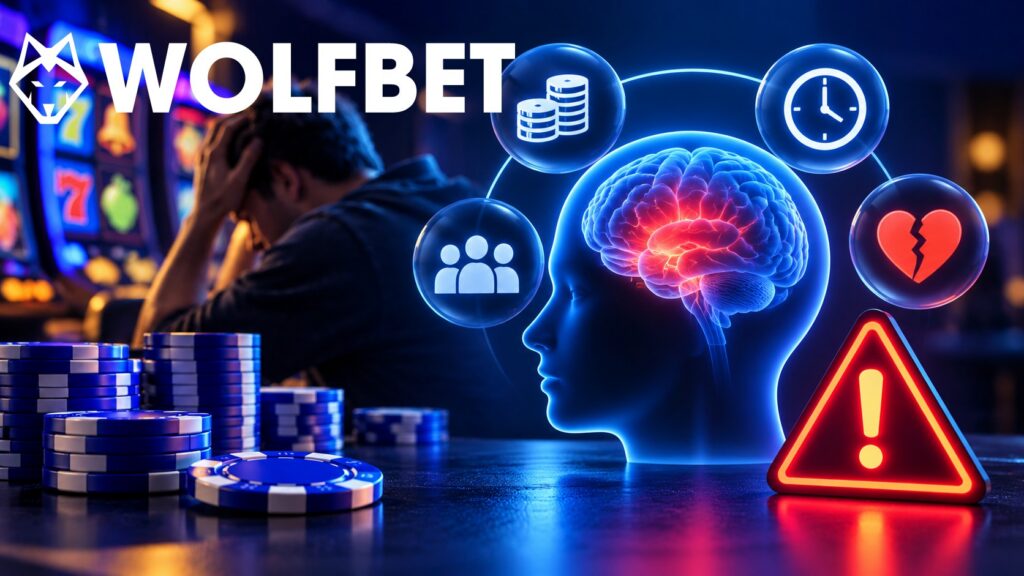
Gambling addiction, also called gambling disorder or problem gambling, means you keep gambling despite harm it causes to your money, relationships, work or health. It often involves three things together: losing control over how much or how long you play, continuing even when you want to stop, and suffering consequences you would not accept from a hobby.
It can start with small, enjoyable sessions. The problem usually shows up in the pattern: the sessions get longer, the bets get bigger, and the thoughts about the next session take up more of your day.
Warning signs
Money
- You spend more than you planned, again and again.
- You use money meant for rent, bills, food or savings to gamble.
- You borrow money, or sell things, to keep playing or to cover losses.
- You hide your wins or losses from people close to you.
Time and control
- You play for longer than you intended.
- You have tried to cut down or stop, and it did not last.
- You think about gambling most of the day, even when you are not playing.
- You miss work, school, family events or other plans because of gambling.
Emotions
- You gamble when you are upset, stressed, anxious or low.
- You feel restless, irritable or anxious when you cannot play.
- You gamble to escape problems or to change how you feel.
- You feel guilt or shame after sessions, and then play again to recover.
Chasing
- After a loss, you bet more to win it back.
- You feel that the next win will fix what you have lost.
- You return to play after a loss sooner than you planned.
A short self-check
Answer each question honestly with yes or no. Think about the last six months.
- Have you spent more money or time on gambling than you meant to?
- Have you felt the need to bet more money to get the same excitement?
- Have you tried to cut down or stop gambling without success?
- Have you felt restless or irritable when trying to cut down?
- Have you gambled to escape problems or bad feelings?
- Have you gone back to win back money you lost?
- Have you lied to someone about how much you gamble or how much you have lost?
- Have you borrowed money, or taken money that was meant for something else, to gamble?
- Has gambling caused problems at work, at school, or in your relationships?
- Have people close to you expressed concern about your gambling?
How to read your answers
- No “yes” answers: gambling is probably not causing you serious harm right now. Keep your limits and check in with yourself regularly.
- One or two “yes” answers: something may be starting to change. Review your limits and read how much money can you afford to spend on casino entertainment?.
- Three or more “yes” answers: it is worth talking to someone now, before the pattern gets stronger. Start with the options in gambling addiction help: hotlines, treatment and support for families.
Whatever your answers, if you are unsure, a free helpline can help you think it through.
What to do if you recognise the signs
Take action in small steps, starting with the one that is easiest:
- Set limits. Ask support at support@wolfbet.com to set deposit, loss and time limits on your account.
- Take a break. A temporary account exclusion can run from 24 hours up to 6 months. Use it if you feel you need distance.
- Tell someone you trust. Saying it out loud to one person makes the problem harder to hide and easier to share.
- Get support. Helplines and support groups are free, and many are open at any hour.
If you want a step-by-step plan for stopping, read how to stop gambling: a practical plan.
If you are worried about someone else
You may notice these signs in a friend or family member before they do. Start with a calm, private conversation. Describe what you have seen, such as money problems or changes in mood, rather than labelling them. Avoid lending money, covering debts or taking over their finances. Those actions can make the problem harder to face.
Gam-Anon offers support to families and friends at gam-anon.org, and the helplines listed in the guide to getting help can advise you on how to approach the conversation.
When to get help now
If gambling has led you to think about harming yourself, or you are in immediate danger, contact your local emergency number straight away. You can also tell someone nearby.
For gambling problems that are not an emergency, contact a helpline today. GamCare’s National Gambling Helpline in the UK is open 24 hours a day on 0808 8020 133, and Gambling Therapy offers free online support at gamblingtherapy.org. In the US, the National Council on Problem Gambling’s helpline is 1-800-GAMBLER.
Next steps
- Read the responsible gambling hub for the full set of tools available on your account.
- If gambling has become hard to control, read how to stop gambling: a practical plan.
Gambling involves financial risk. Only play with money you can afford to lose. 18+.
About the author
Marcus Reed
96 articlesTrending
Odds on a Roulette Table

Doggy Riches Megaways Review [Red Tiger]

Top 9 BGaming Slots in Ukraine [January 2025]
Volatility vs RTP: Why Two Slots With the Same RTP Play Completely Differently